

Blog
Why Regular Maintenance of Fire Hydrant Systems is Crucial: Tips from Winco Experts

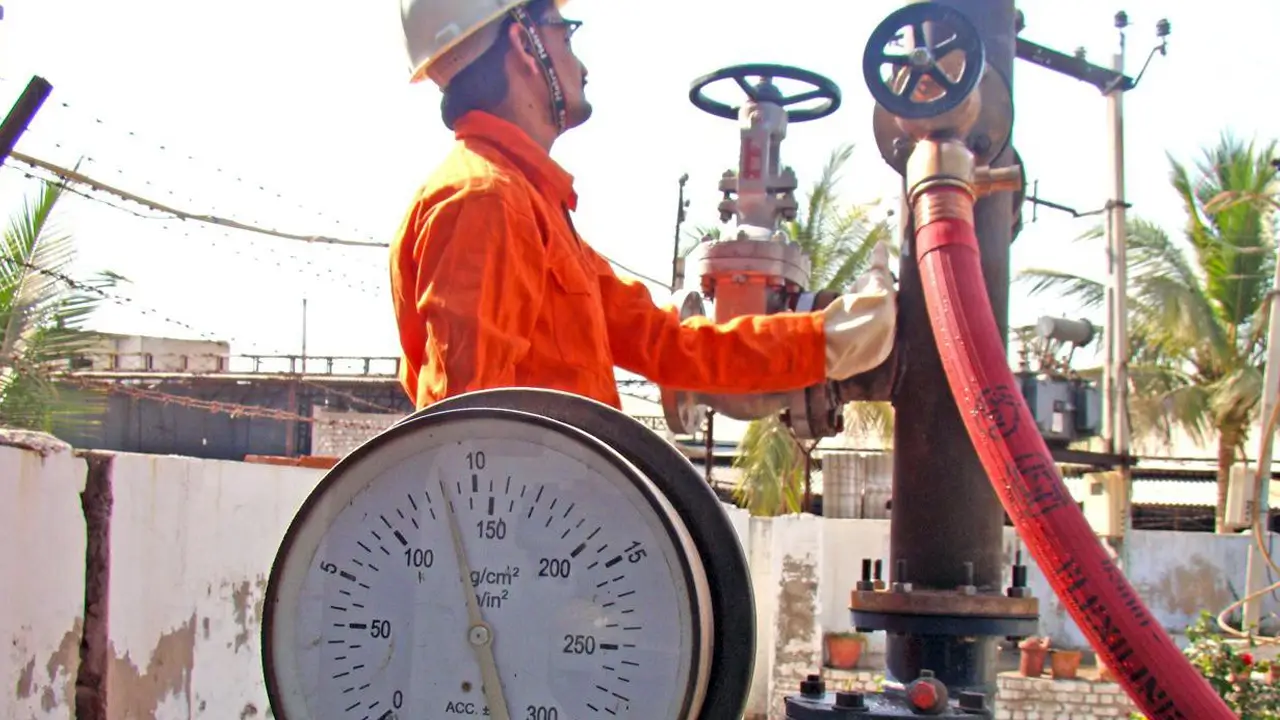
Ensuring fire safety is not just about having the right equipment; it’s also about maintaining it regularly. Fire hydrant systems are critical in protecting lives and property, and regular maintenance is essential to keep them functioning effectively. Winco, a leader in fire safety equipment, provides expert insights into why maintaining these systems is vital and offers practical tips for doing so.
The Importance of Regular Maintenance
1. Ensures Operational Readiness
Fire hydrant systems need to be operational at all times. Regular maintenance ensures that all components, from valves to hoses, are in perfect working order. This reduces the risk of system failure during an emergency, ensuring that firefighters have access to the water they need when they need it.
2. Extends Equipment Lifespan
Like any mechanical system, fire hydrants and their components are subject to wear and tear. Regular inspections and maintenance help identify and rectify minor issues before they become major problems, thereby extending the lifespan of the equipment. This proactive approach also helps in budgeting for replacements and repairs, preventing unexpected expenses.
3. Compliance with Regulations
Fire safety regulations mandate regular maintenance of fire hydrant systems. Adhering to these regulations not only ensures safety but also helps avoid legal penalties. Wincofire Fire Fighting Equipment’s are designed to meet the highest standards, and regular maintenance ensures ongoing compliance with national and international safety regulations.
4. Prevents Water Contamination
Stagnant water in unused fire hydrant systems can become a breeding ground for bacteria and other contaminants. Regular maintenance, including flushing the system, ensures that the water remains clean and safe. This is particularly
important in systems that might be used to provide potable water in emergencies.
5. Enhances System Performance
Regular maintenance ensures that all components of the fire hydrant system are functioning optimally. This includes Visual Checking, checking water pressure, testing valves, and ensuring hoses and nozzles are free from obstructions. A well-maintained system performs better under pressure, providing a reliable source of water during firefighting operations.
Maintenance Tips from Winco Experts
1. Conduct Regular Inspections
Schedule regular inspections of your fire hydrant system. Look for signs of wear and tear, leaks, and other issues that might affect performance. Winco experts recommend a thorough inspection at least twice a year, with additional checks following any significant weather events or after the system has been used.
2. Perform Pressure Testing
Regular pressure testing ensures that your fire hydrant system can deliver water at the necessary pressure. This is crucial for effective firefighting. Wincofire provides high-quality pressure testing equipment and recommends testing at least once a year.
3. Lubricate Moving Parts
Lubrication is essential for the smooth operation of valves and other moving parts. Use manufacturer-recommended lubricants to avoid Jamming the valve and ensure that all components operate smoothly. This simple step can prevent many common mechanical failures.
4. Flush the System
Before Installing the Hydrant Valve it is Mandatory to Flush the system as it without Flushing the system it will Damage the Seat of the Valve and Regular flushing is also very important as removes sediment and contaminants from the system, ensuring that water flow remains unobstructed and Causes no Damage to the Seat of Hydrant. Wincofire recommend flushing the system at least once a year, or more frequently in areas with hard water or high sediment levels.
5. Replace Worn or Damaged Components
During inspections, identify and replace any worn or damaged components Specially Rubber Components immediately. This includes gaskets, seals, and any other parts that show signs of wear. Using genuine Winco replacement parts ensures compatibility and reliability. Also Most Importantly use only suitable Specialised Spanners to Replace any Parts as using any other spanners can damage the parts. Wincofire Provides Proper Spanners for its equipment’s.
6. Keep Accurate Records
Maintain detailed records of all inspections, tests, and maintenance activities. This documentation is essential for regulatory compliance and helps track the system’s condition over time. Wincofire provides templates and tools to help you keep accurate records effortlessly.
Conclusion
Regular maintenance of fire hydrant systems is not just a regulatory requirement; it is a critical component of fire safety. By ensuring that your system is always ready to perform, you protect lives, property, and your investment in firefighting infrastructure. Follow these expert tips from Wincofire to keep your fire hydrant systems in top condition.